
Understanding the Home Inspection Process in Helena, MT
A Local Home-Inspection Guide
By Anita & Jay Sherley · September 20, 2026
 What Is a Home Inspection and Why Is It Important?
A home inspection is a detailed visual assessment of a property’s condition, usually completed before a real estate purchase. It’s designed to uncover issues that may affect the safety, function, or value of a house. For area households, an inspection provides confidence that a property’s visible systems and components are working as expected—or highlights concerns that may prompt repairs or negotiation.
Most home inspections in the community are performed after a purchase agreement is signed, but before closing. Buyers have a limited time to complete the process and decide their next steps. The inspection is not a guarantee against every future problem, but it’s a major way to assess the home’s current state.
Who Attends, and What Happens During the Inspection?
Typically, the buyer—sometimes joined by family, friends, or a real estate agent—attends the inspection, along with the inspector. Sellers are usually not present, though this can vary. The inspection takes place over two to three hours in most standard-size homes.
The inspector methodically moves through the property, examining accessible areas inside and out:
- Structural features like foundations, walls, ceilings, and roofs
- Plumbing and water systems (including fixtures, pipes, and water heaters)
- Electrical panels, outlets, switches, and visible wiring
- Heating and cooling equipment
- Doors, windows, stairs, and railings
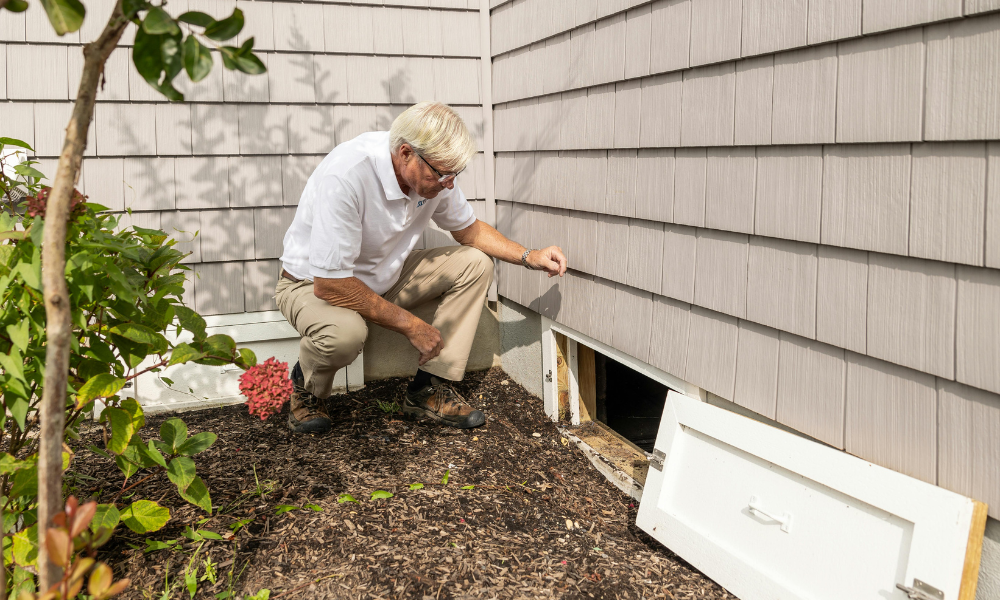
- Attics, crawl spaces, and basements
- Built-in appliances
The process is hands-on and interactive. Residents are often encouraged to ask questions or follow along. Inspectors use flashlights, ladders, moisture meters, and sometimes thermal cameras, but do not open walls or move major furnishings.
What Do Inspectors Look For?
Inspectors focus on health, safety, and the integrity of visible systems. They check for:
- Evidence of water intrusion or damage
- Unstable or damaged foundations
- Active leaks in plumbing or roofing
- Deficient electrical wiring (exposed, outdated, or overloaded)
- Signs of improper or aging heating systems
- Window or door problems (difficulty opening, leaks, rot)
- Ventilation issues in attics, crawlspaces, and bathrooms
Some issues carry special weight in the region, such as:
- Signs of ice dams or water damage from snow accumulation on older or low-slope roofs
- Indications of inadequate insulation or drafty windows
- Foundation settlement from freeze-thaw cycles
While inspectors take note of code violations if readily visible, the inspection itself is not a formal code compliance or appraisal review.
What Is Not Included in a Standard Inspection?
The standard process is visual and non-invasive. Inspectors typically do not:
- Test for pests unless separately requested (though visible evidence is reported)
- Assess the condition of septic systems, wells, or buried fuel tanks beyond basic operation
- Make repairs or fully disassemble HVAC or appliance systems
- Check behind walls, under floors, or inside chimney flues
Radon, mold, and sewer line testing require separate arrangements. Some older homes may need extra attention for these concerns.
How Should Residents Prepare for a Home Inspection?
Sellers can help by clearing access to attics, crawl spaces, and mechanical rooms. Remove storage blocking electrical panels, water heaters, or appliances. Pet owners should secure animals for the duration. Ensure utilities are on so systems can be tested.
Buyers should bring:
- A flashlight for looking into dark spaces
- Comfortable shoes for moving through basements or yards
- Notes or questions, especially about previous repairs or visible concerns
What Happens After the Inspection?
Within 24 to 48 hours, the inspector delivers a written report with photos and descriptions. Reports detail all findings, from major risks—such as roof leaks or compromised wiring—to minor maintenance, like worn weather stripping or loose handrails. It’s common for reports to reveal numerous items. Many may be simple fixes. Focus first on serious structural, safety, or water-related issues, as these carry the most immediate risk for residents and can have the highest repair costs. Minor cosmetic or maintenance items are less urgent. Buyers can then decide whether to:
- Request repairs or credits from the seller
- Accept the property as-is and proceed
- Negotiate purchase terms based on findings
- Withdraw from the agreement (subject to contract contingencies)
Common Misconceptions About Home Inspections
Many assume an inspection is a guarantee or “pass/fail” assessment. In reality, it’s a review of the home’s systems on a specific day—not a prediction of the future. All homes, including new construction, can have flaws. Inspections can’t eliminate every risk, especially for systems that are inaccessible or not operating during the visit (like air conditioning in winter). Another misconception is that the inspector will advise on negotiation or repairs. In reality, reports offer objective observations, not tactical guidance. Residents should use these details in consultation with their own advisors as needed—not as a substitute for full legal or construction advice.
What Unique Issues Affect the Local Housing Stock?
Many homes in the city are older, with features not found in modern construction. These might include:
- Outdated knob-and-tube or aluminum wiring
- Single-pane windows with original frames
- Basements with stone, brick, or poured concrete foundations
Because of the area’s seasonal freeze cycles, ground movement and drainage are ongoing concerns. Local inspections may pay extra attention to:
- Slope and grading around foundations
- Gutter performance and downspout extensions
- Window wells and sump pumps
Historic homes may contain lead-based paint or asbestos in building materials, neither of which are assessed in a standard inspection unless specifically requested. Understanding these unique characteristics helps local residents interpret findings and prioritize solutions.
Can Homebuyers Rely on the Report Alone?
Inspection reports are valuable, but do not replace additional due diligence. Some buyers seek follow-up from specialists if major red flags appear—like structural engineers for cracks or plumbers for sewer line issues. The goal is to avoid surprises after moving in and to evaluate the true cost of any needed repairs.
While the process can seem overwhelming, it provides both information and reassurance. Careful review allows local residents to move forward with clarity, even when the report feels lengthy or technical.
Added FAQ
Home-Inspection Questions for Helena Residents
How long does a home inspection take?
The source article estimates two to three hours for many standard-size homes. Actual timing depends on the property’s size, age, condition, accessibility, systems, outbuildings, and the inspection’s scope.
Does a standard inspection include radon or sewer testing?
Usually not unless those services are specifically included or arranged separately. Confirm the inspector’s written scope and discuss property-specific radon, sewer, mold, pest, well, septic, chimney, or environmental evaluations.
Can a buyer require the seller to make every repair?
Not automatically. Repair requests, credits, renegotiation, acceptance, and withdrawal rights depend on the purchase agreement, inspection contingency, deadlines, seller response, financing, and applicable law.
Is a home inspection the same as a code inspection or appraisal?
No. A home inspection generally evaluates visible property conditions. A code inspection addresses compliance, while an appraisal supports a value or collateral opinion. Each has a different purpose and scope.
Categories
Recent Posts








GET MORE INFORMATION